Phone: +86 13712049800
E-mail: karen@watatspets.com
Add: 1002, Unit 2, Building 6, Yandong Community, Fengcheng Eighth Road, Xi'an, Shaanxi, China
The Rise of Smart Pet Products in European and US Markets
 The Rise of Smart Pet Products in European and US Markets
Smart technology is transforming the pet industry. For B2B wholesalers, understanding this shift is critical—the smart pet products market is growing at double-digit rates across both Europe and North America.
Global companion animal smart product revenue reached approximately $732 million in 2025 and is projected to hit $1,085 million by 2032, with a CAGR of 5.9% . In Europe, the growth is even more pronounced. The Benelux market alone stood at $33.87 million in 2025 and is expected to grow to $90.69 million by 2034—an 11.5% CAGR . The Nordic region follows closely at 11.63% CAGR, rising from $34.6 million to $93.66 million . Germany is projected to lead the European market, while Russia shows the fastest growth .
Why Smart Products Are Exploding in 2026 The "Connected Pet Ecosystem" RevolutionThe concept of a connected pet ecosystem is reshaping how consumers interact with their pets. This ecosystem encompasses IoT devices, GPS and cellular tracking, AI analytics, cloud platforms, and voice assistant integration . Key applications include pet safety and location tracking, health monitoring, feeding management, behavior monitoring, and remote interaction .
Consumer DriversRemote Monitoring and Peace of Mind. Today's pet owners—particularly 90s and 00s generations—want visibility into their pets' lives while at work or traveling . Smart feeders with facial recognition allow multi-pet households to manage different dietary needs, with each pet having its own "exclusive meal card" . Smart water fountains now use AI cameras with multi-pet recognition to track each pet's 24-hour drinking patterns .
Health and Wellness Monitoring. Smart collars and wearables continuously record activity levels, sleep duration, and heart rate, using AI to analyze pet health status . When activity drops suddenly or sleep patterns become abnormal, owners receive real-time alerts . This shifts health monitoring from reactive to proactive.
Emotional Interaction. AI is now extending beyond basic monitoring to emotional understanding. Smart collars can identify and analyze pet sounds—barks, whimpers, purrs—and translate them into human-understandable language covering over 20 common emotions . Pet "smartphones" enable remote communication and training commands, with GPS and geofencing providing safety alerts .
Key Smart Product Categories in 2026 Smart FeedersCurrently the largest segment in both Benelux and Nordic markets, smart feeders lead in market share . Features like facial recognition, precise portion control, and app-based remote management are driving adoption.
Activity Trackers and WearablesActivity trackers are projected to be the fastest-growing segment . Smart collars combining GPS, health monitoring, and now AI-powered emotion recognition represent the frontier of this category .
Smart Cameras and Monitoring SystemsPet cameras with AI capabilities allow owners to monitor, interact with, and even see the world from their pet's perspective .
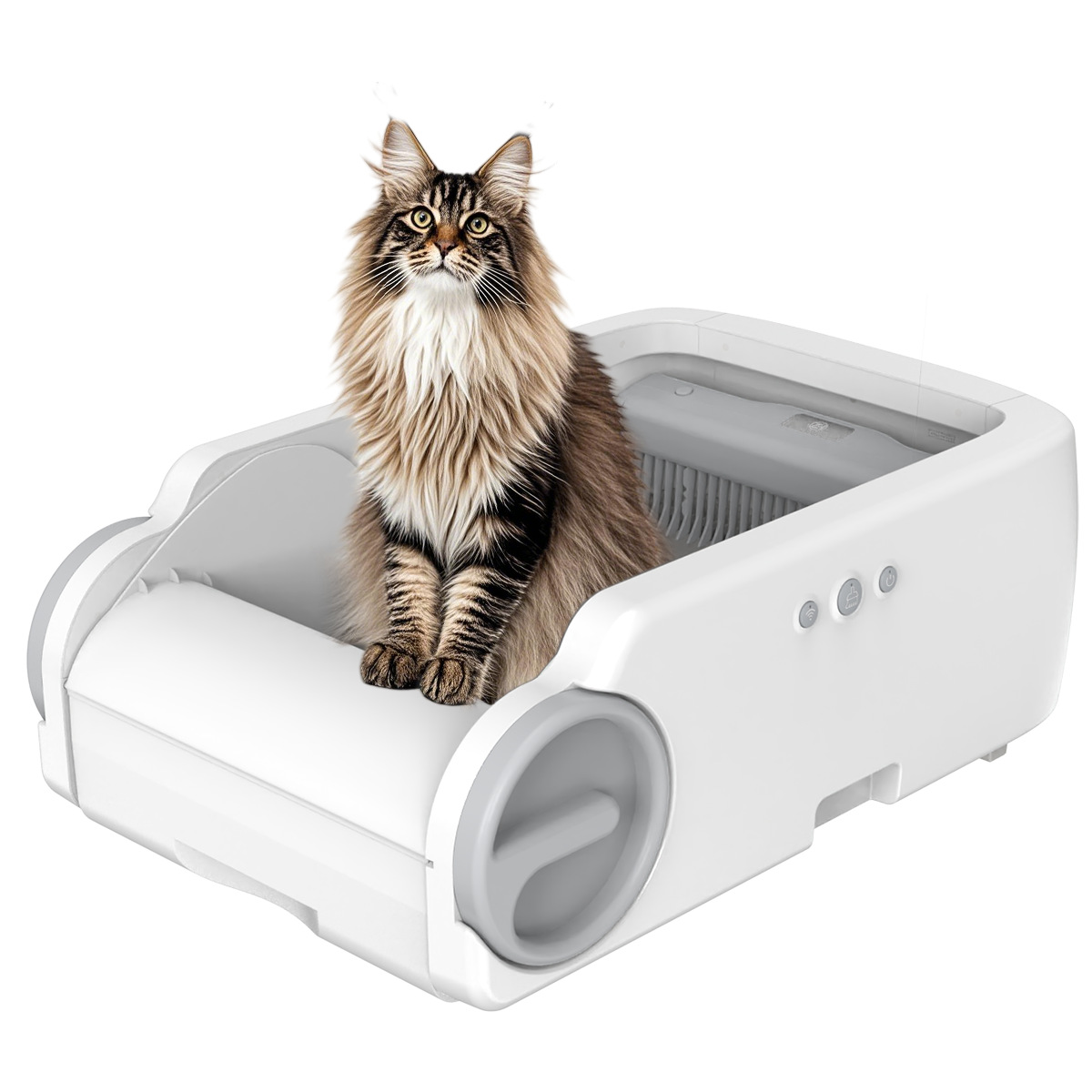
Integrated PlatformsCompanies are now building complete ecosystems—smart feeders, water fountains, and litter boxes all interconnected, with health data displayed on unified dashboards . This integration creates stickier products and higher customer lifetime value.
B2B Opportunities in Pet TextilesFor wholesalers specializing in pet textiles, the rise of smart products creates unique opportunities:
Smart Carriers and Travel Gear. Pet carriers with integrated GPS tracking, temperature monitoring, and ventilation controls are emerging . Upgrading your textile travel collection with tech-integrated options positions you for the premium segment.
Smart-Enabled Car Seat Covers. Covers with built-in sensors that detect pet movement, temperature, or stress indicators are gaining traction among high-end retailers.
Connected Apparel. Smart collars and harnesses with GPS, health monitoring, and AI capabilities are no longer niche—they're becoming standard.
Certification Matters. For EU and US markets, compliance is non-negotiable. Products require FCC certification (US), CE marking (EU), RoHS compliance, and food-grade materials for components touching food/water . B2B buyers who can guarantee these certifications reduce their retailers' liability.
 What Retailers Need from Smart Product Wholesalers
Reliability. IoT connectivity must be stable. Products using Tuya-certified modules with secure OTA updates command premium pricing .
Durability. Water-resistant designs (IP67 standards) and motor life testing of 10,000+ cycles prevent costly returns .
Certifications. FCC, CE, RoHS, and food-grade certifications are essential for market access .
Storytelling. Retailers need to tell the story: "This product helps you care for your pet even when you're away."
Conclusion: The Smart FutureSmart pet products are not a passing trend. With the US projected to remain the largest global market and Europe growing at double-digit rates, the opportunity is clear . For textile wholesalers, the path forward is integrating smart features into traditional products—carriers with GPS, car seat covers with sensors, apparel with connectivity.
Smart products aren't just about technology; they're about peace of mind, health, and connection. Pet owners are willing to pay for that. Are you ready to supply it?