Phone: +86 13712049800
E-mail: karen@watatspets.com
Add: 1002, Unit 2, Building 6, Yandong Community, Fengcheng Eighth Road, Xi'an, Shaanxi, China
How Millennials and Gen Z Are Changing Pet Product Demand
The generational shift that’s reshaping the $158 billion pet industry — and what it means for your B2B strategy
If you’re a pet product wholesaler serving the U.S. and European markets, you’ve likely noticed something shifting beneath your feet. The pet industry is no longer just growing — it’s transforming. And at the heart of that transformation are two generations: Millennials and Gen Z.Between them, Millennials now represent 33% of U.S. pet owners, while Gen Z has grown to 25% and represents the fastest-growing segment of pet parents. These younger consumers aren’t just buying more pet products — they’re buying differently. Their expectations are higher, their values are distinct, and their purchasing power is reshaping every category from pet beds to travel accessories.For B2B buyers and retailers, understanding this shift isn’t optional — it’s the difference between stocking what sells and watching inventory gather dust.
The Numbers That Demand AttentionLet’s start with the data that should be on every wholesaler’s radar. Gen Z American pet owners spend an average of $6,103 annually** on their pets, while Millennials spend **$5,150 — compared to just $2,454 for Baby Boomers. Breaking it down monthly, Gen Z pet owners spend an average of $178 per month on their animals, compared to $146 for Millennials, $115 for Gen X, and $90 for Baby Boomers.Millennials account for approximately 35% of all pet owners and 40% of total pet spending in the U.S.. Forty-five percent of Gen Z and Millennial dog owners spend $100 or more per month on food and snacks alone.The broader context: U.S. pet industry expenditures reached $158 billion in 2025** (+3.7%) and are projected to reach **$165 billion in 2026. Pet ownership remained stable at 95 million U.S. households, with dog ownership expanding from 51% to 53% of households — adding roughly 4 million new dog-owning homes.But here’s the critical insight for B2B buyers: growth isn’t just about more pet owners — it’s about more intentional, higher-value spending. Pet parents are prioritizing essentials like food and veterinary care while becoming more selective about discretionary purchases. Products that clearly justify their value are thriving. And younger generations are driving that value calculus.
1. The “Pet as Family Member” MindsetSixty-eight percent of Gen Z and 69% of Millennial respondents consider pets as members of the family. Nearly half of Gen Z see no real difference between their pet and a human child. This isn’t sentimentality — it’s a fundamental repositioning of pets in the household hierarchy that has direct implications for product demand.When a pet is treated like a child, the products they use must meet the same standards as those for human family members. That means:Higher quality materials — no more cheap, disposable optionsAesthetic consideration — products that look good in the homeHealth and wellness focus — orthopedic support, ergonomic design, safety certificationsDurability and longevity — because family members deserve products that last The B2B opportunity: Stock products that reflect this elevated status. Your retail partners need items that justify premium price points through tangible quality.
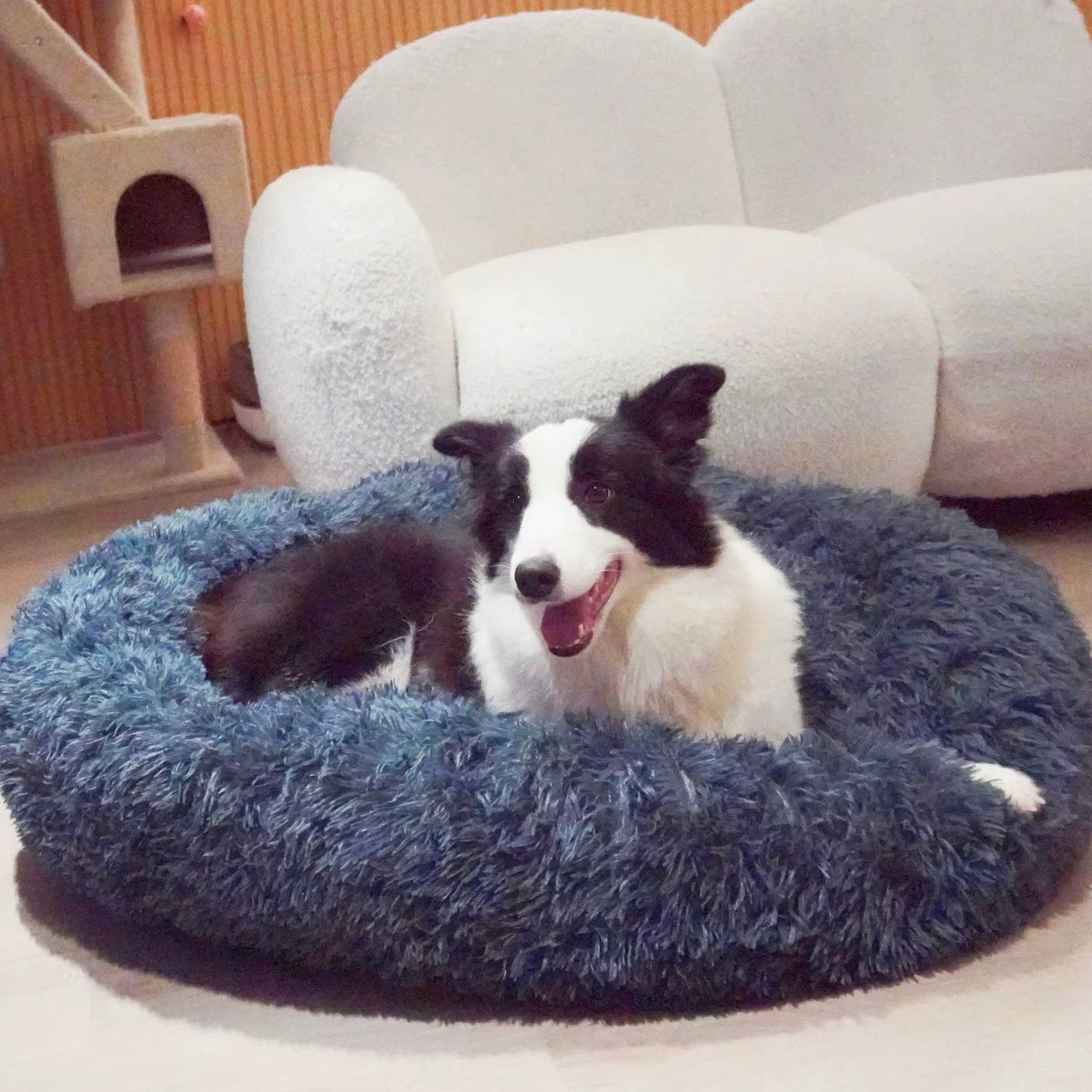
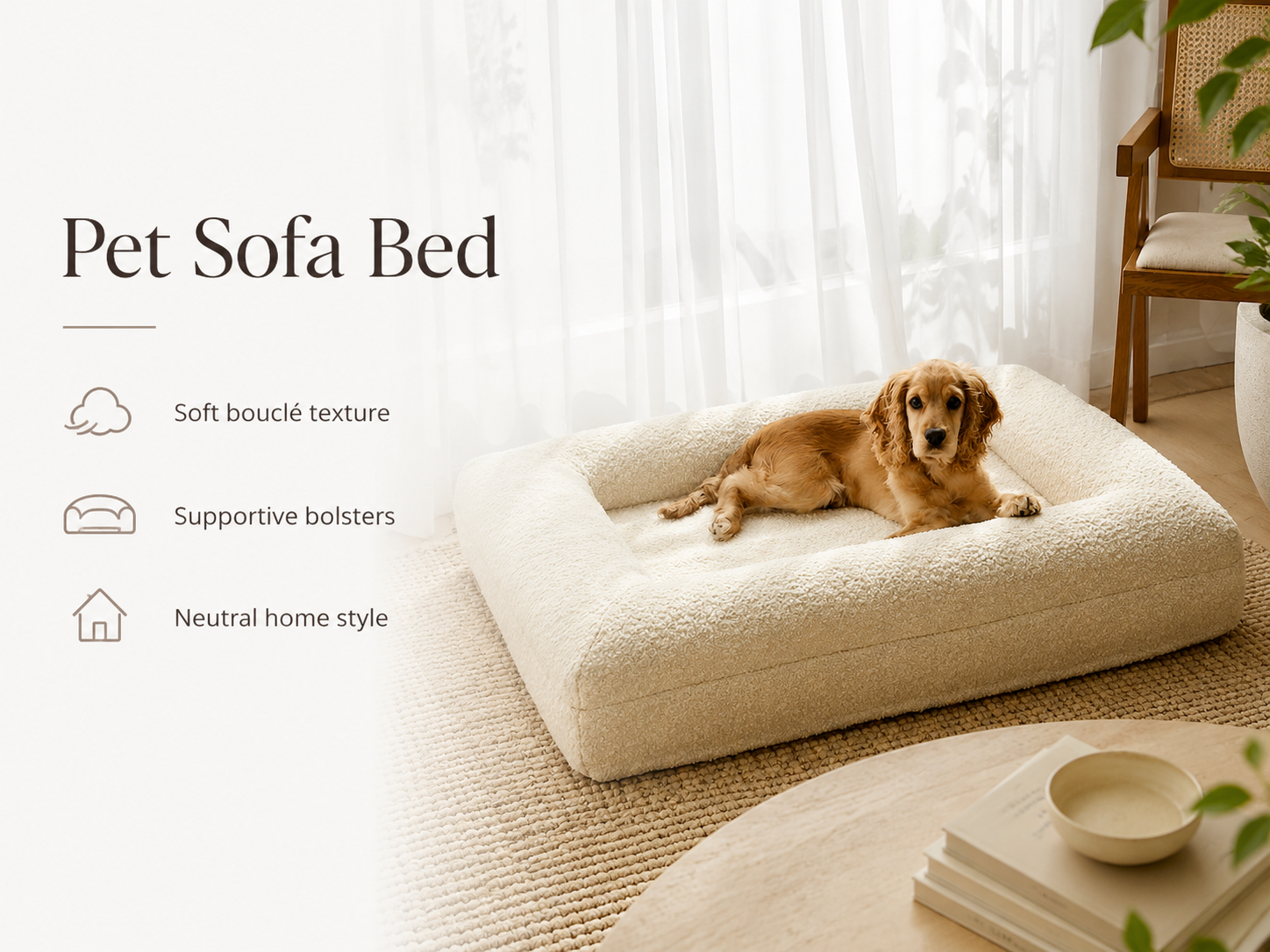
2. Design Matters: The Home Décor FactorMillennials and Gen Z don’t just want functional pet products — they want products that complement their living spaces. “Millennials and Gen Z, in particular, are demanding pet products that look as good as they feel, with style now ranking just as highly as comfort.”Consumers are moving away from purely functional beds and crates toward elevated designs, orthopedic support, washable covers, natural fibers, and furniture that reduces visual clutter in the home. Soft neutrals, creams, greys, and muted pastels now dominate pet décor.This trend is particularly evident in the pet bed market, where demand for specialized pet furniture — including orthopedic and luxury beds — has surged. The global pet bed market is growing at a CAGR of 7.13%, driven by rising demand for premium, orthopaedic, and wellness-oriented products.Millennials and Gen Z regard pets as family members, placing unprecedented demands on the health‑related attributes of pet products. The booming sales of this orthopedic pet bed are a direct reflection of this mindset. Consumers are no longer satisfied with merely giving pets somewhere to sleep. Instead, they evaluate spinal support and joint protection for pets just as carefully as they select mattresses for themselves. This shift from “basic functionality” to “health investment” shows the market is ready to pay a premium for long‑term pet wellness. For B‑end wholesalers, introducing high‑end health‑focused pet beds early gives you an edge in your retail partners’ premium‑upgrade journey, helping them build differentiated quality awareness in the highly competitive pet bed market.
For younger generations, sustainability isn’t a “nice to have” — it’s a baseline expectation. Millennials and Gen Z don’t view sustainability as optional; they equate ethical choices with quality and expect proof of both efficacy and responsibility.Research shows that 84% of companion animal guardians hold companies responsible for addressing climate change. Younger consumers are becoming skeptical of vague “green” claims and looking for verifiable proof of responsible sourcing and recyclable packaging.The circular pet accessories market — products designed for reuse, recycling, or sustainable disposal — is valued at $4.1 billion in 2026** and expected to reach **$9.4 billion by 2034 at a CAGR of 10.8%. More than half of pet industry firms now say sustainability is integrated into their corporate strategy.The B2B opportunity: Retailers are increasingly scrutinizing supply chains for sustainability credentials. Products made with recycled materials, eco-friendly packaging, and transparent sourcing stories command premium positioning and faster sell-through.
4. Travel-Ready: The Pet Accessory RevolutionPet travel accessories represent one of the most dynamic growth categories driven by younger pet owners. The global pet travel accessories market is projected to grow from $5.93 billion in 2026 to $9.78 billion by 2034 at a CAGR of 6.45%.Younger generations, particularly Millennials and Gen Z, are at the forefront of this shift, prioritizing pet safety and comfort by choosing ergonomic, adjustable, and travel-friendly accessories. They delay parenthood but enthusiastically adopt pets, channeling disposable income toward pet wellness and lifestyle products.Key product categories seeing explosive growth include:Crash-tested pet car seats and carriers — safety is non-negotiableAirline-approved travel bags — convenience meets complianceGPS-enabled collars — peace of mind for the modern pet parentActive-travel carrier backpacks — for the “urban and suburban adventure” pet owner
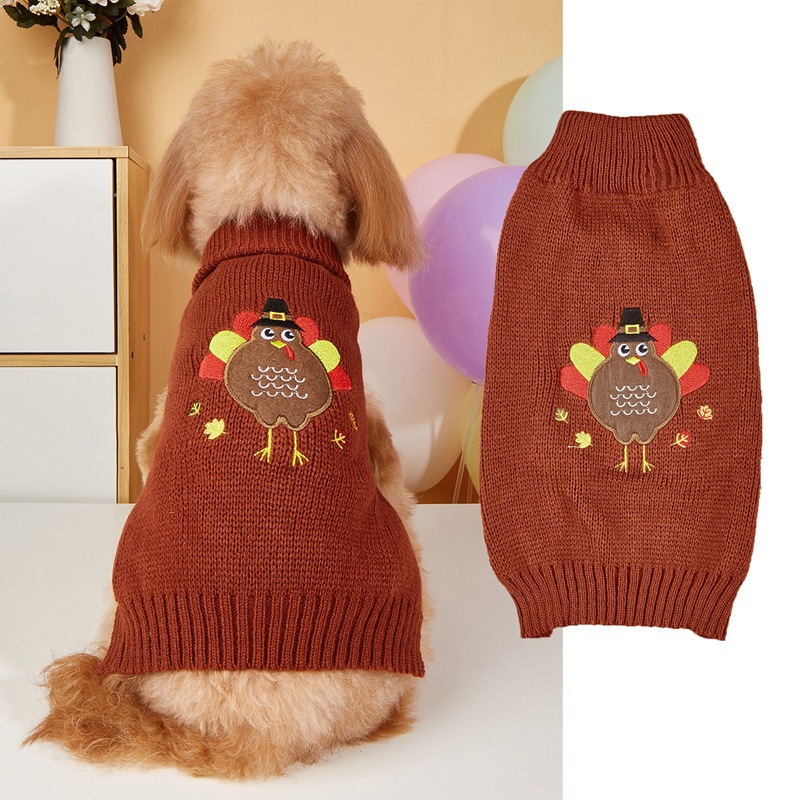
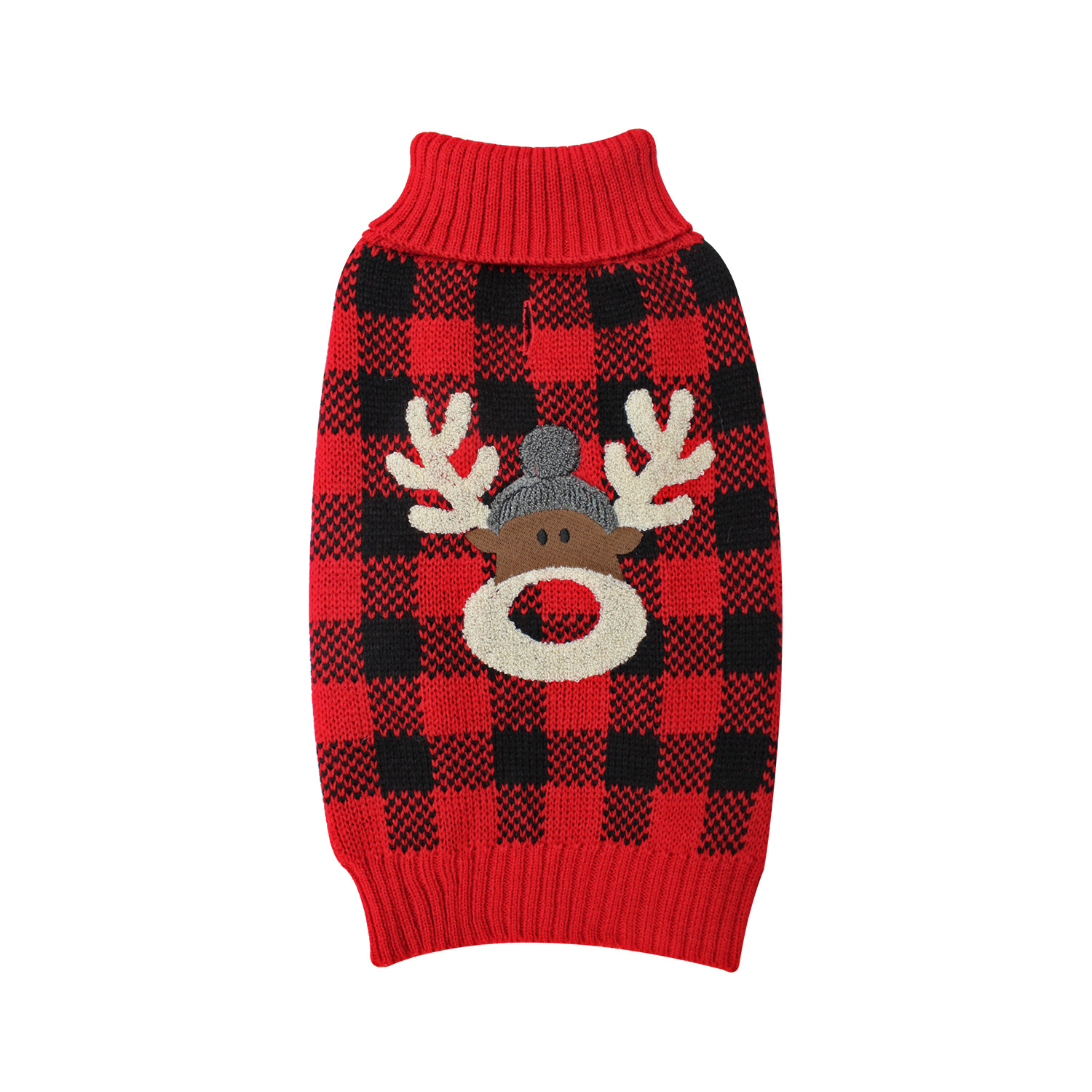
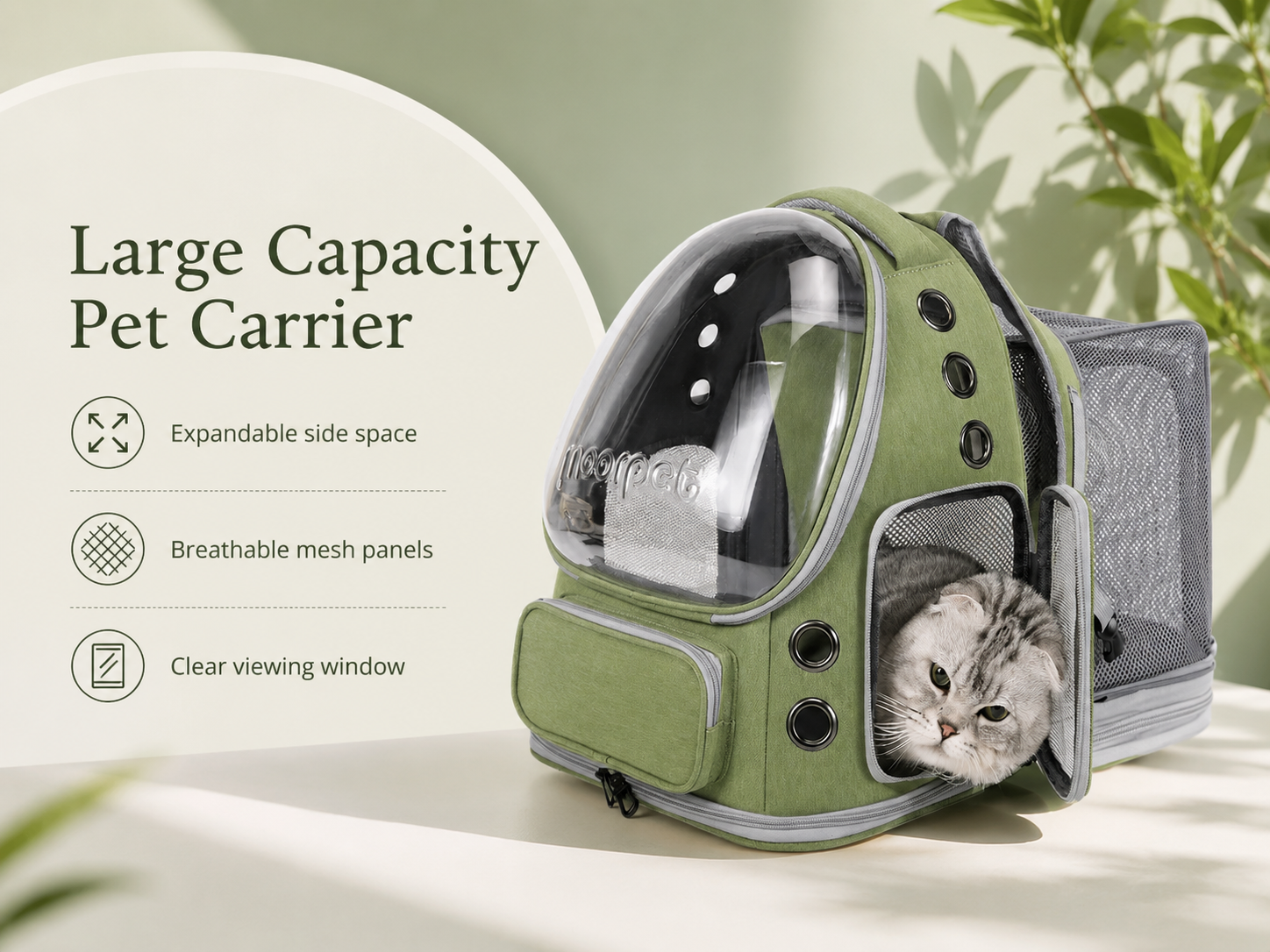
5. The “Accessory-First” Dog: Fashion and Function CombinedPet accessories have evolved from novelty items to serious product categories. The rise of the “accessory-first” dog is fueled by Millennial and Gen Z owners who view their pets as extensions of their personal brand.The transition from high-performance gear is a result of market premiumization. The global pet travel carries market is valued at $6.8 billion in 2026** and expected to reach **$12.1 billion by 2033 at a CAGR of 8.6%.Beyond aesthetics, younger owners prioritize “material intelligence” — functional fabrics that offer weather protection, durability, and comfort. Pet apparel is moving from purely aesthetic designs to functional garments that serve real utility needs.As mentioned earlier, young pet owners are keen on “urban and wilderness adventures”, integrating their pets into every scenario of daily commutes and short‑distance trips. The soaring popularity of this travel backpack is a precise response to this lifestyle. More than just a carrying tool, it serves as a carrier that enables constant companionship between owners and their pets. Consumers value details such as airline‑compliant standards, breathable construction and ergonomic harness systems, for these features determine pets’ comfort and safety while on the move. For B‑side buyers, stocking this category means tapping into a high‑frequency, fast‑evolving consumption scenario, helping your retail customers secure steady repeat‑purchase traffic throughout the travel peak seasons.
Advances in sensor technology and mobile integration are driving demand for pet wearables, particularly among Millennials and Gen Z. The global pet wearable market, valued at $3.37 billion in 2025, is expected to reach **$11.40 billion by 2033** at a CAGR of 16.8%.Younger pet owners are more willing to invest in tech-forward, membership-based experiential products designed to enhance their pets’ quality of life. GPS tracking, health monitoring, and smart training devices are becoming mainstream expectations rather than luxury add-ons.The B2B opportunity: While not every wholesaler will stock smart collars, the mindset behind pet tech matters. Products that integrate with modern lifestyles — washable, durable, aesthetically pleasing, and functionally superior — will outperform basic alternatives every time.
7. Omnichannel and Social CommerceMillennials and Gen Z discover products differently. In 2025, 57% of Gen Z pet owners and 61% of Millennials said they discover new pet products by browsing in stores. But social media platforms — particularly Instagram and TikTok — have evolved from marketing tools into full sales channels.TikTok Shop has quickly emerged as a meaningful e-commerce channel for pet brands, with engagement often driving stronger return on investment and lower customer acquisition costs compared with traditional advertising.The B2B opportunity: Your retail partners need products that are social-media ready — visually appealing, photogenic, and easy to showcase in unboxing videos and influencer content. Products that tell a story — sustainable sourcing, innovative design, health benefits — perform better in the social commerce ecosystem.
What This Means for Your B2B StrategyFor wholesalers and distributors serving the pet product market, the message is clear:
1. Premiumization is real and accelerating. Younger consumers aren’t trading down — they’re trading up, but only for products that deliver demonstrable value. Stock products that justify higher price points through quality, design, and functionality.
2. Diversify your product mix. The fastest-growing categories — orthopedic beds, crash-tested car seats, premium harnesses, sustainable accessories — require investment in new SKUs and supplier relationships.
3. Tell the story behind the product. Sustainability credentials, design philosophy, safety certifications — these aren’t marketing fluff, they’re purchase drivers for Millennials and Gen Z.
4. Think like a retailer. Your retail partners are under pressure to curate assortments that appeal to younger demographics. Help them succeed by offering products that check the boxes: premium materials, aesthetic design, functional innovation, and sustainability.
The Bottom LineThe pet industry isn’t just growing — it’s being rebuilt by a generation of pet parents who treat their animals like family, expect products that look as good as they perform, and demand sustainability as a baseline.Gen Z and Millennials now represent the majority of pet owners and an even larger share of pet spending. Their preferences are shaping every category from pet beds to travel gear to apparel. For B2B buyers, the choice is clear: adapt your product mix to meet these new expectations, or watch competitors capture the growth.The opportunity is substantial. The global pet supplies market is valued at $262.4 billion in 2026** and projected to grow at a CAGR of 7.4% to reach **$569.1 billion by 2034. The question isn’t whether the market will grow — it’s whether your product portfolio will grow with it.