WeChat: Wataskaren6688
Phone: +86 13712049800
E-mail: karen@watatspets.com
Add: 1002, Unit 2, Building 6, Yandong Community, Fengcheng Eighth Road, Xi'an, Shaanxi, China
Phone: +86 13712049800
E-mail: karen@watatspets.com
Add: 1002, Unit 2, Building 6, Yandong Community, Fengcheng Eighth Road, Xi'an, Shaanxi, China
Why the Pet Supplies Market Continues Growing in Europe and America
Time: 2026-08-05 Source: Author:
Why the Pet Supplies Market Continues Growing in Europe and America
The pet supplies industry across Europe and North America is not just growing—it is transforming at an unprecedented pace. For B2B buyers, retailers, and distributors operating in these mature markets, understanding the underlying drivers of this expansion is no longer optional; it is essential for staying competitive. Whether you are sourcing pet beds, car seat covers, carriers, apparel, or walking accessories, the opportunities have never been greater—nor the expectations higher.
The Numbers Speak for Themselves
Let us start with the hard data. The U.S. pet industry reached $158 billion in expenditures in 2025, a 3.7% increase from 2024, and is projected to hit $165 billion in 2026. According to the American Pet Products Association (APPA), 95 million U.S. households—roughly two-thirds of all households—now own at least one pet. Dog ownership alone expanded from 51% of U.S. households in 2024 to 53% in 2025, translating to approximately 4 million additional dog-owning households year over year.
Europe tells a similarly compelling story. FEDIAF data shows that 49% of European households own a pet, with 340 million pets across the region. The European market for dog and cat accessories alone was valued at $44.8 billion in 2025 and is projected to reach $69.2 billion by 2032, at a compound annual growth rate (CAGR) of 6.37%. The broader pet accessories market—encompassing everything from bedding to travel gear—is expected to grow from $31 billion in 2026 to $42.7 billion by 2031 at a CAGR of 6.61%.
These are not speculative figures. They reflect sustained, structural demand that shows no signs of slowing.
Driver One: The Pet Humanization Megatrend
Perhaps the single most powerful force reshaping the pet supplies market is humanization. Pets are no longer "just animals"—they are family members. This shift is fundamentally changing what consumers expect from pet products.
According to Stratistics MRC, the global pet humanization market was valued at $346.7 billion in 2025 and is expected to reach $560.3 billion by 2032, at a CAGR of 7.10%. What does this mean in practical terms? Pet owners are demanding products that mirror the quality, comfort, and aesthetics of their own possessions. They want orthopedic beds that support joint health, stylish apparel that reflects their pet's personality, and travel accessories that ensure safety and comfort on the go.
For B2B buyers, this translates into clear sourcing priorities. Premium, design-led products command higher margins and enjoy stronger consumer loyalty. The days of competing solely on price are over. Today's pet owners—particularly Gen Z and Millennials, who are driving much of the ownership growth—are willing to pay for quality, functionality, and style.
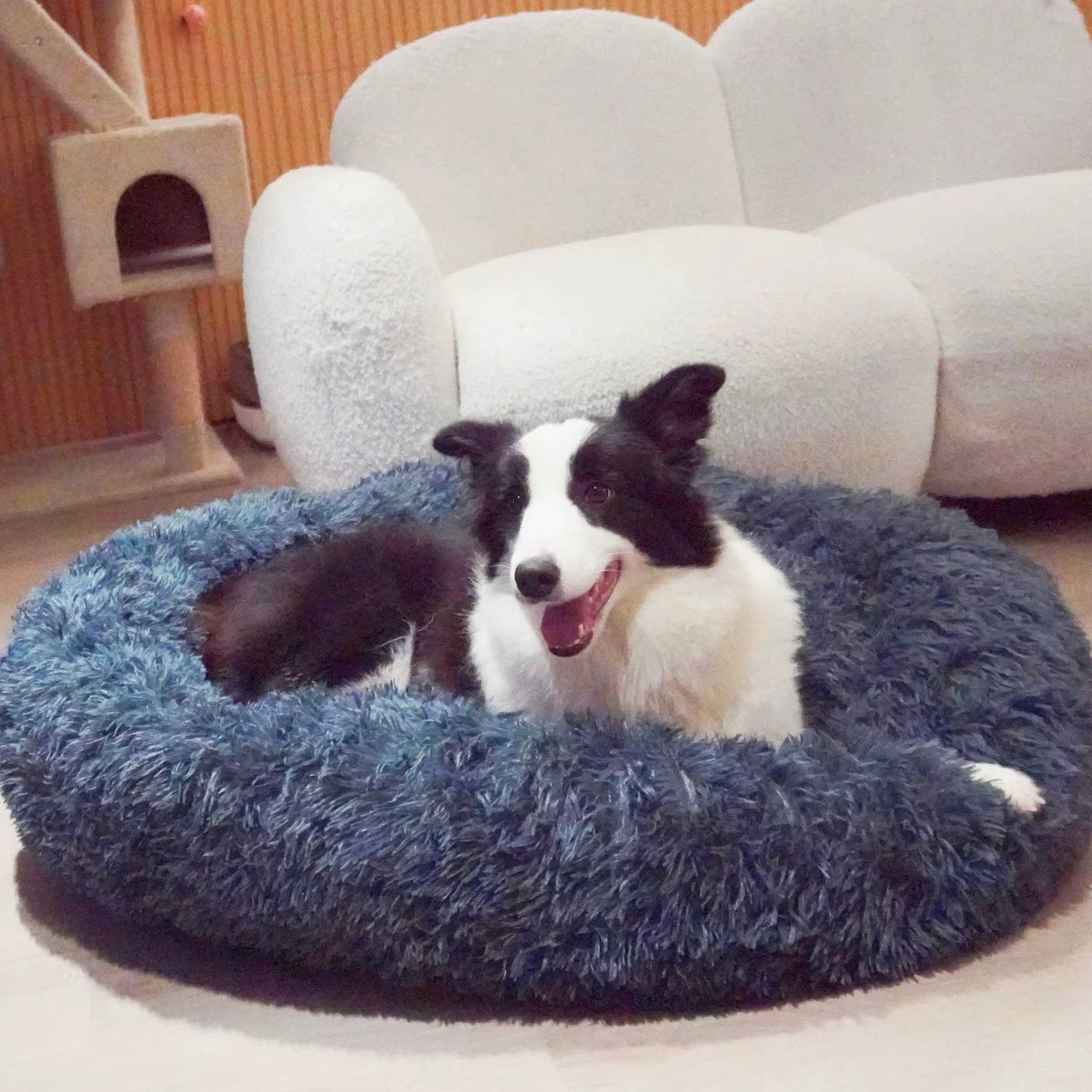
Take this pet orthopedic bed for example. It enjoys huge sales in the current market, and superior quality is not the only reason. This orthopedic dog bed has become the top choice for most pet owners. It also reflects the evolving bond between humans and pets. Rather than merely treating pets as animals, people have shifted focus from basic functionality of pet beds to finer details regarding pets’ health and comfort, such as spinal support for dogs. This explains exactly why this product is such a big hit.
Driver Two: The Rise of Pet Travel and Mobility
Modern pet owners are more mobile than ever. They take their dogs to the office, bring cats along on weekend getaways, and include pets in nearly every aspect of daily life. This lifestyle shift has created explosive demand for pet travel accessories.
The pet travel accessories market in the U.S. alone was estimated at $2.2 billion in 2025. Pet carriers are projected to grow from $902 million in 2025 to $1.28 billion by 2033. Dog car seat covers—a product category that barely existed a decade ago—are now a staple for pet-owning drivers.
For European retailers, the opportunity is equally significant. With 91 million dogs and 105 million cats in European homes, and pet ownership concentrated in countries like Germany (43% of households), the UK, France, and Italy, the addressable market for travel and mobility products is vast.
What are buyers looking for? Durability, ease of cleaning, safety features, and compatibility with different vehicle types. Products that solve real problems—like waterproof, scratch-resistant car seat covers or airline-compatible carriers—are winning in the marketplace.
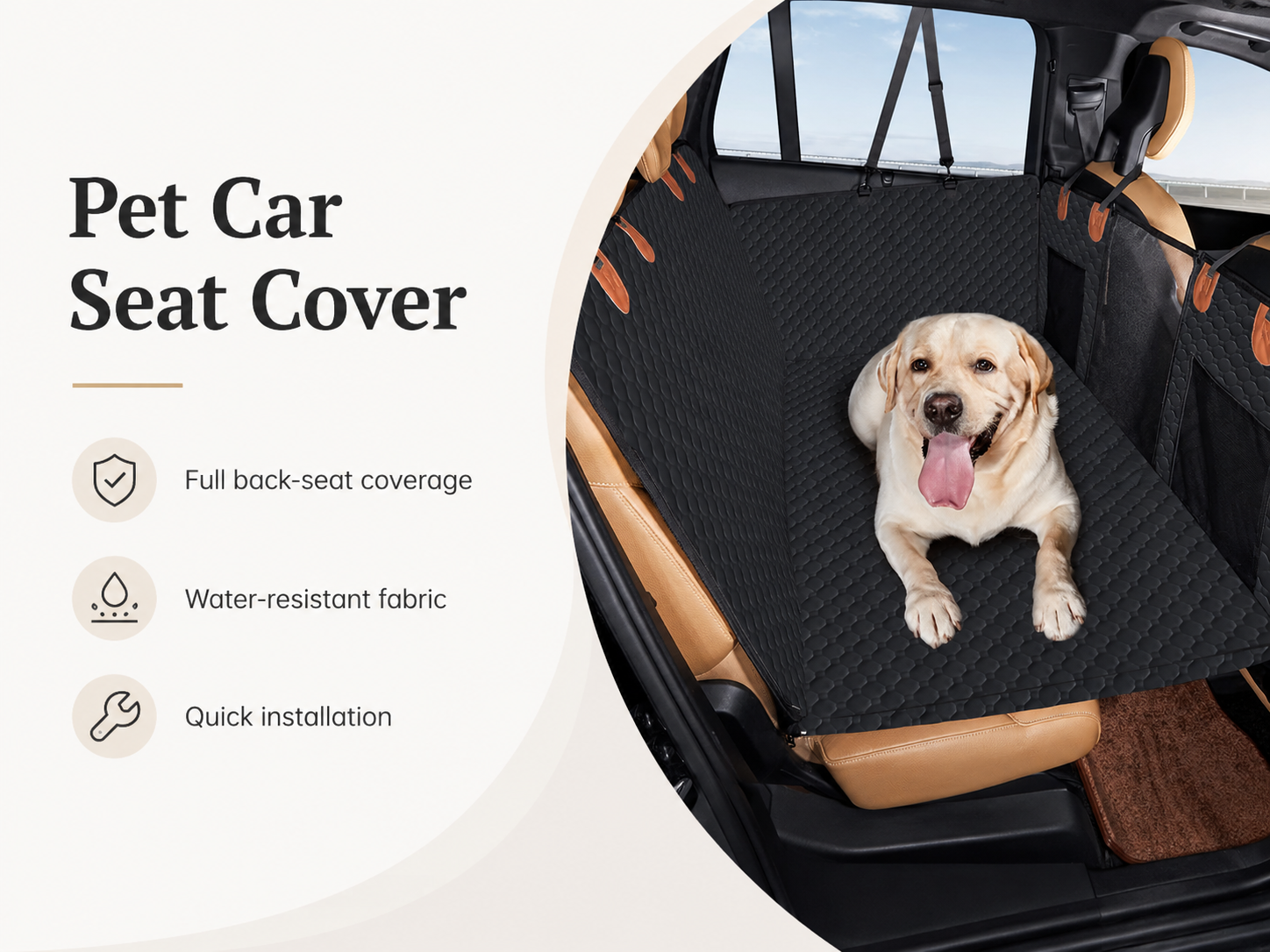
Consider this pet car seat cover. Its strong market performance stems from more than solid build quality. Modern pet parents are prioritizing safe travel solutions for their companions, making this cushion a widely‑preferred option. It signals a clear shift in human‑pet relationships: pets are treated as full family members. Consumers now go beyond basic dirt‑proof requirements, focusing on travel safety, riding stability and interior protection for their vehicles. This growing demand creates great selling opportunities, delivering healthy profit margins for retailers and wholesalers who stock this item.
Driver Three: Sustainability as a Competitive Advantage
Sustainability is no longer a niche concern—it is a mainstream expectation. The global sustainable pet products market was valued at $38.1 billion in 2025 and is projected to reach $67.9 billion by 2032, at a CAGR of 8.6%. Eco-friendly pet accessories, sustainable packaging, and ethically sourced materials are becoming decisive factors in purchasing decisions.
Younger consumers, in particular, are demanding transparency. They want to know where products come from, how they are made, and what environmental impact they carry. For B2B buyers, partnering with suppliers who can demonstrate sustainability credentials is becoming a competitive necessity rather than a nice-to-have.
This trend cuts across all product categories—from pet beds made with recycled materials to leashes and harnesses produced with low-impact manufacturing processes. Retailers that can credibly position their offerings as sustainable are capturing premium pricing and building stronger brand loyalty.
Driver Four: E-Commerce and Omnichannel Growth
The way pet owners shop has changed permanently. The pet care e-commerce market is projected to grow by $160.75 billion at a CAGR of 7.29% by 2032. Online channels are not just supplementary—they are becoming primary sales drivers.
For B2B suppliers, this means your product listings, imagery, and descriptions need to be e-commerce-ready. High-quality product photography, detailed specifications, and compelling copy are no longer optional. Retailers are looking for suppliers who can help them win online—not just fill shelves.
What This Means for B2B Buyers
For wholesalers, distributors, and retailers serving the European and American markets, the implications are clear:
First, premiumization is non-negotiable. Consumers are trading up. They want better materials, smarter designs, and products that reflect their pets' status as family members. Suppliers who can deliver premium products at competitive wholesale prices will capture market share.
Second, product diversification matters. The days of selling only basic collars and leashes are over. Today's retailers need a broad assortment that includes pet beds, car seat covers, carriers, apparel, and specialized walking accessories. Each category represents a revenue opportunity.
Third, supply chain reliability is paramount. With 81% of all pet sector dollars still concentrated in North America and Western Europe, these regions remain the most lucrative markets globally. But margins depend on consistent quality, on-time delivery, and the ability to scale. Buyers are increasingly evaluating suppliers not just on product quality but on operational reliability.
Fourth, sustainability is becoming a deal-breaker. Retailers are under pressure from their own customers to offer eco-friendly options. Suppliers who can demonstrate sustainable sourcing, manufacturing, and packaging will have a distinct advantage.
Finally, B2B relationships are evolving. It is no longer enough to be a passive supplier. Retailers want partners who understand market trends, offer product innovation, and provide value beyond the transaction. They want suppliers who can help them grow.
Ready to Source for the Growing Pet Supplies Market?
We are a trusted wholesale supplier of premium pet products—including pet beds, car seat covers, carriers, apparel, and walking accessories—serving B2B clients across Europe and North America. Our products are designed for the modern pet owner, built to retail standards, and backed by reliable supply chain operations.
contact our B2B team today] to request a wholesale catalog, discuss custom orders, or schedule a consultation. Let's grow your business together.
Conclusion
The pet supplies market in Europe and America is not just growing—it is evolving in ways that reward quality, innovation, and strategic partnerships. With the U.S. market projected to reach $165 billion in 2026 and the European accessories market expanding at over 6% annually, the opportunity for B2B suppliers has never been more compelling.
The brands that will win in this environment are those that understand the trends—humanization, mobility, sustainability, and e-commerce—and align their product offerings and partnerships accordingly. Whether you are looking to expand your pet bed assortment, add car seat covers to your catalog, or introduce a new line of carriers and apparel, the time to act is now.
The pet industry is resilient, consumer-driven, and full of opportunity. The question is not whether the market will continue to grow—it will. The question is whether you will be positioned to capture that growth.
Ready to take your pet supplies business to the next level? Explore our wholesale catalog or contact our B2B team to learn how we can support your growth in the European and American markets.
The pet supplies industry across Europe and North America is not just growing—it is transforming at an unprecedented pace. For B2B buyers, retailers, and distributors operating in these mature markets, understanding the underlying drivers of this expansion is no longer optional; it is essential for staying competitive. Whether you are sourcing pet beds, car seat covers, carriers, apparel, or walking accessories, the opportunities have never been greater—nor the expectations higher.
The Numbers Speak for Themselves
Let us start with the hard data. The U.S. pet industry reached $158 billion in expenditures in 2025, a 3.7% increase from 2024, and is projected to hit $165 billion in 2026. According to the American Pet Products Association (APPA), 95 million U.S. households—roughly two-thirds of all households—now own at least one pet. Dog ownership alone expanded from 51% of U.S. households in 2024 to 53% in 2025, translating to approximately 4 million additional dog-owning households year over year.
Europe tells a similarly compelling story. FEDIAF data shows that 49% of European households own a pet, with 340 million pets across the region. The European market for dog and cat accessories alone was valued at $44.8 billion in 2025 and is projected to reach $69.2 billion by 2032, at a compound annual growth rate (CAGR) of 6.37%. The broader pet accessories market—encompassing everything from bedding to travel gear—is expected to grow from $31 billion in 2026 to $42.7 billion by 2031 at a CAGR of 6.61%.
These are not speculative figures. They reflect sustained, structural demand that shows no signs of slowing.
Driver One: The Pet Humanization Megatrend
Perhaps the single most powerful force reshaping the pet supplies market is humanization. Pets are no longer "just animals"—they are family members. This shift is fundamentally changing what consumers expect from pet products.
According to Stratistics MRC, the global pet humanization market was valued at $346.7 billion in 2025 and is expected to reach $560.3 billion by 2032, at a CAGR of 7.10%. What does this mean in practical terms? Pet owners are demanding products that mirror the quality, comfort, and aesthetics of their own possessions. They want orthopedic beds that support joint health, stylish apparel that reflects their pet's personality, and travel accessories that ensure safety and comfort on the go.
For B2B buyers, this translates into clear sourcing priorities. Premium, design-led products command higher margins and enjoy stronger consumer loyalty. The days of competing solely on price are over. Today's pet owners—particularly Gen Z and Millennials, who are driving much of the ownership growth—are willing to pay for quality, functionality, and style.
Take this pet orthopedic bed for example. It enjoys huge sales in the current market, and superior quality is not the only reason. This orthopedic dog bed has become the top choice for most pet owners. It also reflects the evolving bond between humans and pets. Rather than merely treating pets as animals, people have shifted focus from basic functionality of pet beds to finer details regarding pets’ health and comfort, such as spinal support for dogs. This explains exactly why this product is such a big hit.
Driver Two: The Rise of Pet Travel and Mobility
Modern pet owners are more mobile than ever. They take their dogs to the office, bring cats along on weekend getaways, and include pets in nearly every aspect of daily life. This lifestyle shift has created explosive demand for pet travel accessories.
The pet travel accessories market in the U.S. alone was estimated at $2.2 billion in 2025. Pet carriers are projected to grow from $902 million in 2025 to $1.28 billion by 2033. Dog car seat covers—a product category that barely existed a decade ago—are now a staple for pet-owning drivers.
For European retailers, the opportunity is equally significant. With 91 million dogs and 105 million cats in European homes, and pet ownership concentrated in countries like Germany (43% of households), the UK, France, and Italy, the addressable market for travel and mobility products is vast.
What are buyers looking for? Durability, ease of cleaning, safety features, and compatibility with different vehicle types. Products that solve real problems—like waterproof, scratch-resistant car seat covers or airline-compatible carriers—are winning in the marketplace.
Consider this pet car seat cover. Its strong market performance stems from more than solid build quality. Modern pet parents are prioritizing safe travel solutions for their companions, making this cushion a widely‑preferred option. It signals a clear shift in human‑pet relationships: pets are treated as full family members. Consumers now go beyond basic dirt‑proof requirements, focusing on travel safety, riding stability and interior protection for their vehicles. This growing demand creates great selling opportunities, delivering healthy profit margins for retailers and wholesalers who stock this item.
Driver Three: Sustainability as a Competitive Advantage
Sustainability is no longer a niche concern—it is a mainstream expectation. The global sustainable pet products market was valued at $38.1 billion in 2025 and is projected to reach $67.9 billion by 2032, at a CAGR of 8.6%. Eco-friendly pet accessories, sustainable packaging, and ethically sourced materials are becoming decisive factors in purchasing decisions.
Younger consumers, in particular, are demanding transparency. They want to know where products come from, how they are made, and what environmental impact they carry. For B2B buyers, partnering with suppliers who can demonstrate sustainability credentials is becoming a competitive necessity rather than a nice-to-have.
This trend cuts across all product categories—from pet beds made with recycled materials to leashes and harnesses produced with low-impact manufacturing processes. Retailers that can credibly position their offerings as sustainable are capturing premium pricing and building stronger brand loyalty.
Driver Four: E-Commerce and Omnichannel Growth
The way pet owners shop has changed permanently. The pet care e-commerce market is projected to grow by $160.75 billion at a CAGR of 7.29% by 2032. Online channels are not just supplementary—they are becoming primary sales drivers.
For B2B suppliers, this means your product listings, imagery, and descriptions need to be e-commerce-ready. High-quality product photography, detailed specifications, and compelling copy are no longer optional. Retailers are looking for suppliers who can help them win online—not just fill shelves.
What This Means for B2B Buyers
For wholesalers, distributors, and retailers serving the European and American markets, the implications are clear:
First, premiumization is non-negotiable. Consumers are trading up. They want better materials, smarter designs, and products that reflect their pets' status as family members. Suppliers who can deliver premium products at competitive wholesale prices will capture market share.
Second, product diversification matters. The days of selling only basic collars and leashes are over. Today's retailers need a broad assortment that includes pet beds, car seat covers, carriers, apparel, and specialized walking accessories. Each category represents a revenue opportunity.
Third, supply chain reliability is paramount. With 81% of all pet sector dollars still concentrated in North America and Western Europe, these regions remain the most lucrative markets globally. But margins depend on consistent quality, on-time delivery, and the ability to scale. Buyers are increasingly evaluating suppliers not just on product quality but on operational reliability.
Fourth, sustainability is becoming a deal-breaker. Retailers are under pressure from their own customers to offer eco-friendly options. Suppliers who can demonstrate sustainable sourcing, manufacturing, and packaging will have a distinct advantage.
Finally, B2B relationships are evolving. It is no longer enough to be a passive supplier. Retailers want partners who understand market trends, offer product innovation, and provide value beyond the transaction. They want suppliers who can help them grow.
Ready to Source for the Growing Pet Supplies Market?
We are a trusted wholesale supplier of premium pet products—including pet beds, car seat covers, carriers, apparel, and walking accessories—serving B2B clients across Europe and North America. Our products are designed for the modern pet owner, built to retail standards, and backed by reliable supply chain operations.
contact our B2B team today] to request a wholesale catalog, discuss custom orders, or schedule a consultation. Let's grow your business together.
Conclusion
The pet supplies market in Europe and America is not just growing—it is evolving in ways that reward quality, innovation, and strategic partnerships. With the U.S. market projected to reach $165 billion in 2026 and the European accessories market expanding at over 6% annually, the opportunity for B2B suppliers has never been more compelling.
The brands that will win in this environment are those that understand the trends—humanization, mobility, sustainability, and e-commerce—and align their product offerings and partnerships accordingly. Whether you are looking to expand your pet bed assortment, add car seat covers to your catalog, or introduce a new line of carriers and apparel, the time to act is now.
The pet industry is resilient, consumer-driven, and full of opportunity. The question is not whether the market will continue to grow—it will. The question is whether you will be positioned to capture that growth.
Ready to take your pet supplies business to the next level? Explore our wholesale catalog or contact our B2B team to learn how we can support your growth in the European and American markets.